
Ewing sarcoma is a rare and aggressive type of cancer that forms in the bones or the soft tissue surrounding them, most commonly affecting children, teenagers, and young adults. It usually develops in the long bones of the legs or arms, the pelvis, or the ribs, often causing localized pain, swelling, and unexpected bone fractures. While it is a serious condition that requires intensive treatment—typically combining chemotherapy, surgery, and radiation—advancements in medical research continue to improve outcomes and target the specific genetic changes that cause these tumor cells to grow.
Ewing Sarcoma Basics- Type of cancer that begins as a growth of cells in the bones and the soft tissue around the bones.
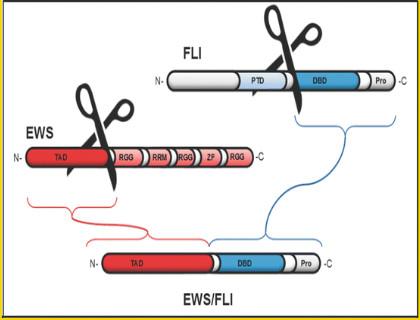
- Translocation of chromosomes 11 and 22. More than 90% of Ewing Sarcoma Family of Tumors have an 11, 22 translocation.
- Double strand break on the DNA
- Current incidence rate in the US is 200 children per year diagnosed.
- Primarily appearing in children and adolescents. Majority of cases develop within the first two decades of life.
- Most prevalent in white males.
- Often European descent.
- Low incidence in African Americans / Asians.
- More frequent in males than females; the ratio is 3:2.
- Frequently appearing in athletes.
- No hereditary links.
- Some linkage to parents who have a history of farming and manual occupations.
- No environmental links but some have suggested:
- Pesticides
- Chemicals
- Tainted water supply
- Cell towers
- Power lines
- Landfills / toxic dump sites
- Covid 19 vaccines
- Building materials
- Artificial turf (rubber pellets heating up and causing noxious fumes)
- The most common symptoms are pain and swelling or tenderness in the affected area.
- Pain may become very intense when the tumor is located near important nerves, like in the sacrum, pelvis or spine.
- Unexplained lump that does not heal.
- Pain most prevalent during nighttime.
- Frequently appears after an injury.
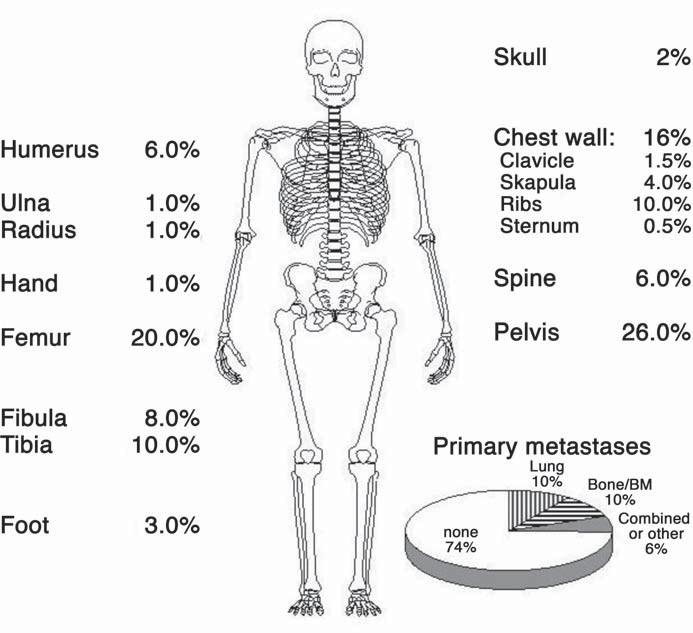
- Pelvis
- Femur
- Tibia
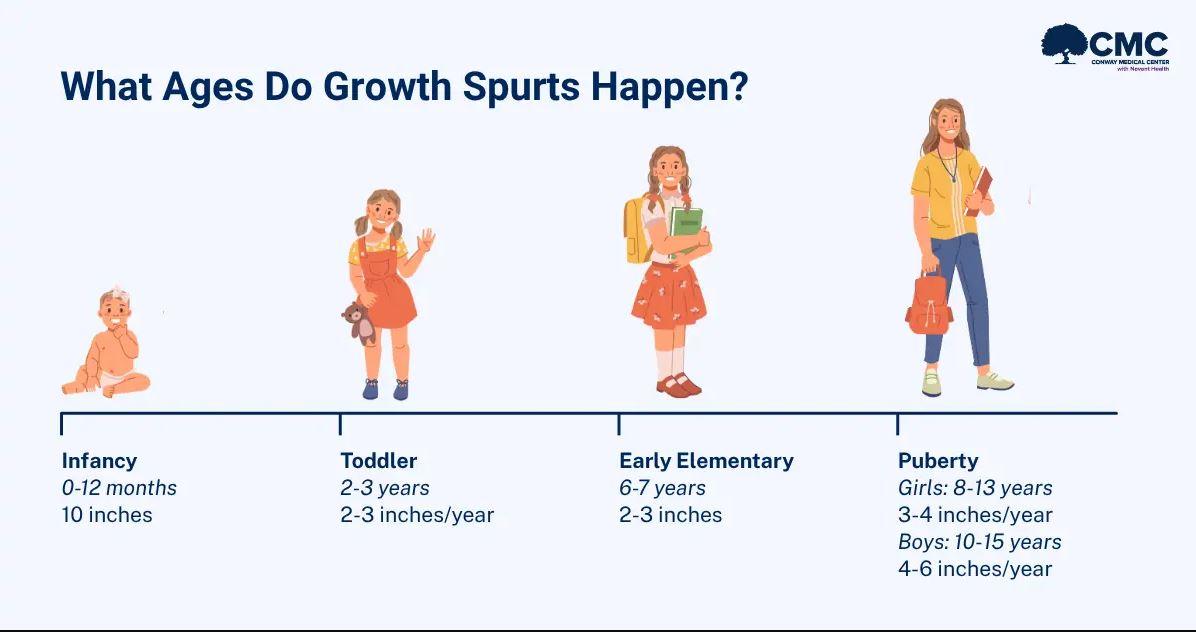
- Growth spurts are not just limited to the teenage years
- Infancy, toddler, early elementary and puberty stages all see growth spurts in kids.
- Girls go through puberty at an earlier age than boys. Boys usually start 2 years after girls.
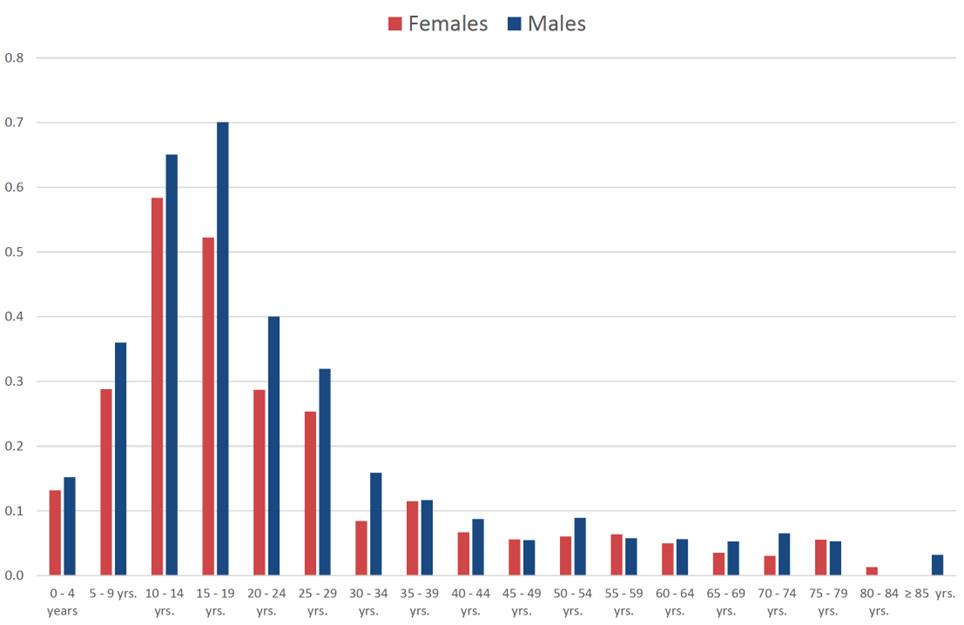
- The Ewing Sarcoma incidence rate for girls peaks earlier than boys. This coincides with when growth rates occur in these genders.
- Children go through growth spurts.
- Children are more prone to bumps/bruises/injuries. Injuries do not cause the cancer but make it progress faster causing it to be visibly noticeable in a short window.
- Children's bones are still growing, the growth plates (soft cartilage areas near the ends of long bones) are weaker than nearby ligaments. Severe sprains or impacts that would only stretch a ligament in an adult often cause a growth plate fracture in a child.
- Some children are more sensitive to EMFs than others (electromagnetic hypersensitivity).
- Some children have more compromised immune systems with regards to EMF.
- Some children do not naturally produce a sufficient amount of antioxidants.
- These ethnicities have darker skin tones and thus more melanin.
- Recent studies have highlighted melanin's potential role in shielding the body from electromagnetic radiation, including the effects of 5G and other electromagnetic fields (EMFs). Melanin's unique molecular structure allows it to absorb and dissipate various forms of electromagnetic energy, offering protective benefits.
- A good point of reference: https://pubs.acs.org/chreay/article/124/11/7165/215096/Interactions-of-Melanin-with-Electromagnetic
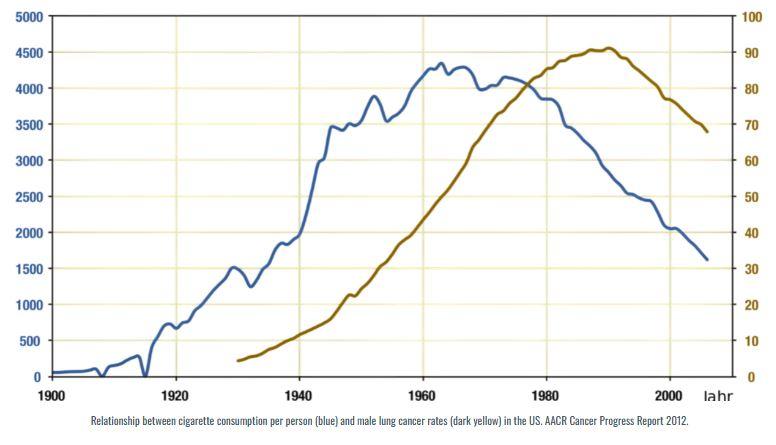
- As cigarette usage rises (blue line), rate of cancer rises years later (red)
- In 1964 a landmark report by the Surgeon General linked smoking cigarettes with dangerous health effects, including lung cancer and heart disease.
- Post 1964, cigarette smoking declines along with lung cancer rates.
- Clear demarcation of the rise and fall of lung cancer rates related to cigarette smoking.
- Cigarette smoking clearly the 'smoking gun' for lung cancer.
If we compare this to Ewing Sarcoma we see a much different picture.
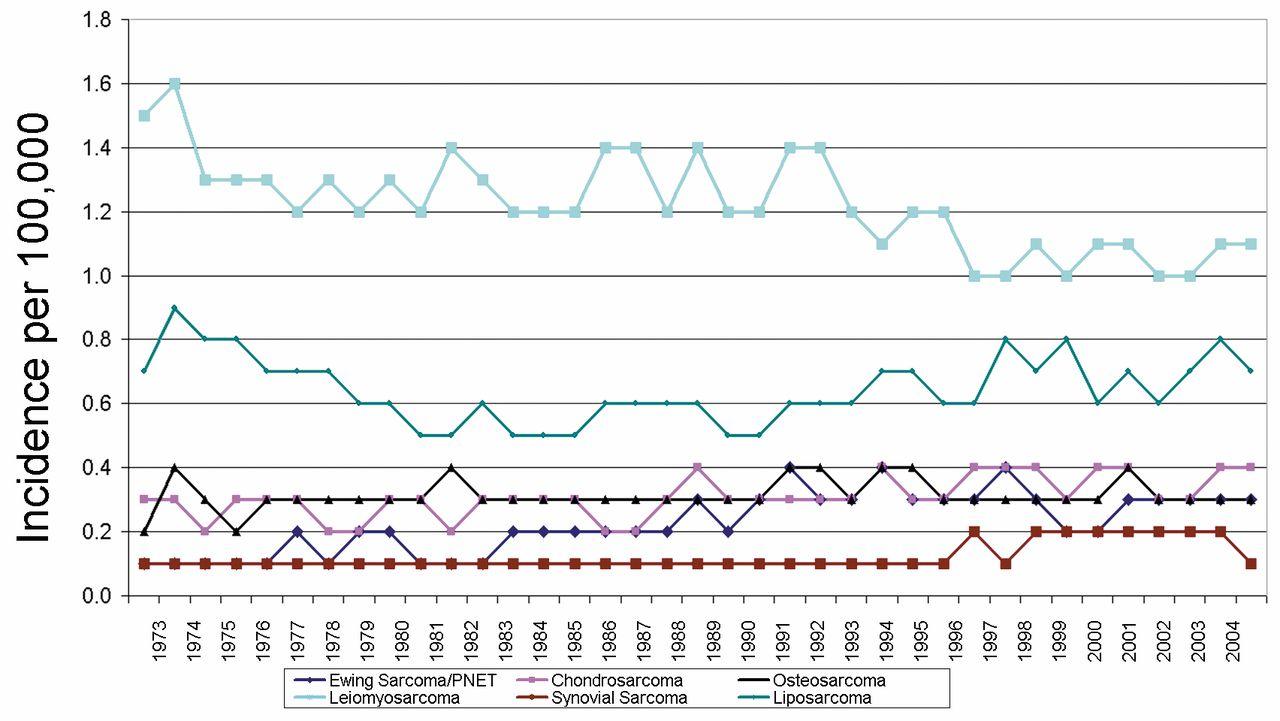
- Incidence of primary bone sarcomas and of synovial sarcoma and liposarcoma remained fairly steady for the three decades between 1970s and 2000s.
- There were no and still are no sudden spikes and drops as we saw with lung cancer
- Why might this be?
- Electrical grids were mostly built out by the 1930s. The infrastructure has been with us since then with smaller, steady additions.
- Clusters and increased incidences are possibly only happening when we decide to build communities, schools, parks, sports fields in close proximity to transmission lines or when new transmission lines are installed.
- Ewing sarcoma was named after James R. Ewing, an eminent American pathologist at Cornell who described the first cases in in 1921.
- First patient treated at Memorial Hospital / Mount Sinai both in Manhattan, NY.
- Per James Ewing: "During the past four months I have seen six other cases of this disease. They occurred in subjects from fourteen to nineteen years of age. The bones affected were tibia, ulna, ischium, parietal, and scapula. The tumors grew rather slowly, requiring some months to attract attention, but they were accompanied by attacks of pain and disability. One boy complained only of intermittent attacks of pain after exercise during the summer, but in November a smooth swelling appeared over the upper half of the leg. Several tumors were found to fluctuate in size, a symptom due to their vascularity. All were rather painful and tender."
- Patients all treated in NYC area. The electrical grid was first built out here.
- Prior to the emergence of the electrical grid in the US in the early 1900s there were no known cases of Ewing Sarcoma.
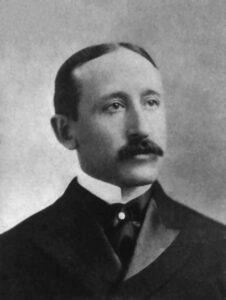
James Ewing
- 3 cases of Ewing sarcoma diagnosed between 2009 and 2012 in one ZIP code (Wake Forest area) in Wake County NC.
- Cases were in the same high school graduating class.
- North Carolina Occupational and Environmental Epidemiology Branch (OEEB) engaged in a discussion with Wake County Public School System Environmental and Grounds Department (EGD) staff to gather information about possible environmental exposures at the high schools the students had attended in Wake County.
- OEEB evaluated results of radon testing in the schools and discussed with EGD staff the issues of damaged carpet and renovation work at Wake Forest-Rolesville High School, which were issues of concern to several parents.
- OEEB staff reviewed the list of repairs, which appeared to consist of routine maintenance issues.
- According to EGD staff, an integrated pest management system is utilized, and pesticides are not routinely used.
- All Wake Forest area public schools are on City of Raleigh water. Public water supplies are required to be routinely monitored for chemical content by Wake county.
- Investigators also looked at radon, power plants, superfund sites and other environmental factors.
- Based on analysis of the completed questionnaire data, review of potential sources of environmental contamination by DENR, risk factors identified from the literature and investigation of issues raised by the public, OEEB was not able to identify any common environmental exposures that were likely to be associated with Ewing Sarcoma.
- Determined this was all due to 'chance'.
A note about clusters - In a review of cancer clusters nationwide only 1 of 428 investigations have ever revealed a clear cause.
Before we dismiss this as chance, let's take a closer look at what lies right behind the high school.
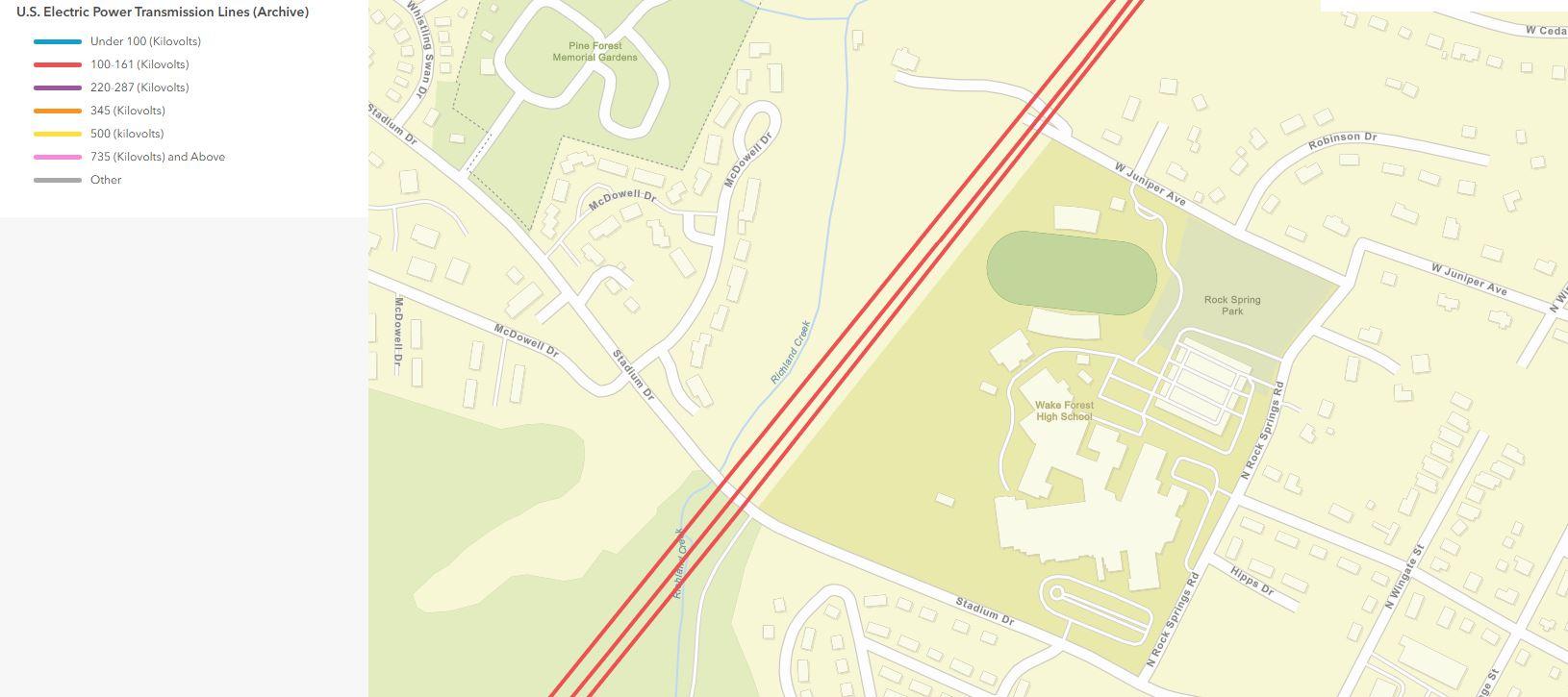
Do you see those 3 red lines? Those are (3) 115 kV transmission lines running right across the back of the school. That's a close proximity for these kids over a span of several years.
The other thing to note is that these kids were all diagnosed around 19 years of age. If this was an issue with transmission lines near the home I would presume cancer would have appeared earlier. The fact that all were 19 years of age at diagnosis could point to the high school as the exposure area. That would give this cancer 4 years to develop in close proximity to these transmission lines.
Here's a few links if you're interested in reading more about this cluster:
https://www.wral.com/archive/12389860/
https://epi.dph.ncdhhs.gov/oee/docs/EwingSarcomaWakeCounty.pdf
- June 2026 a parent in Ladera Ranch, CA who recently lost a child to Ewing Sarcoma posted a message in a Ladera Ranch Facebook group reaching out to others in the neighborhood who may have lost a child to cancer.
- Ladera Ranch, CA is a master planned community of 25,000 residents. Built out starting in the year 2000.
- 6 kids since 2013 were found to have been diagnosed with Ewing Sarcoma in the community.
- 4 kids diagnosed in 2013.
- Other childhood cancers also were reported including several dogs.
- Hundreds of concerned parents met with the HOA to discuss the issue looking for answers. Many reference the overuse of pesticides being sprayed daily.
- Issue gained national attention. Lawyers, lawmakers, governor involved. EPA now doing investigations.
- Based on population of Ladera Ranch and current Ewing Sarcoma incidence rate should have 1 Ewing Sarcoma case every 37 years. Past few years averaging 1 every 2 years.
Here is a heat map of the cases that have been reported by Ladera Health Map
Take note of the 2 concentrated heat map areas in orange.
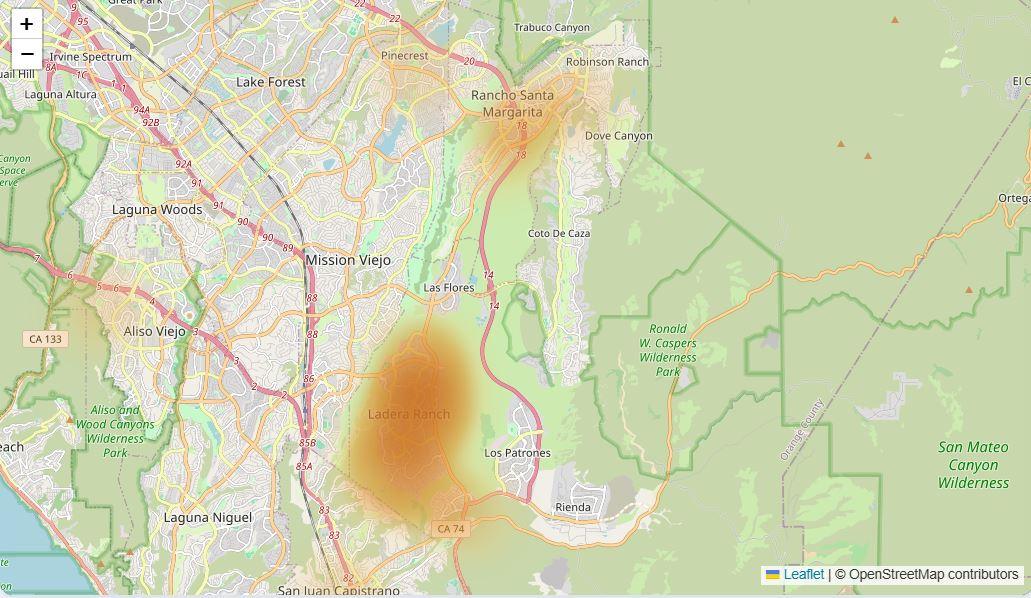
Now let's look at the transmission lines that are in these areas:
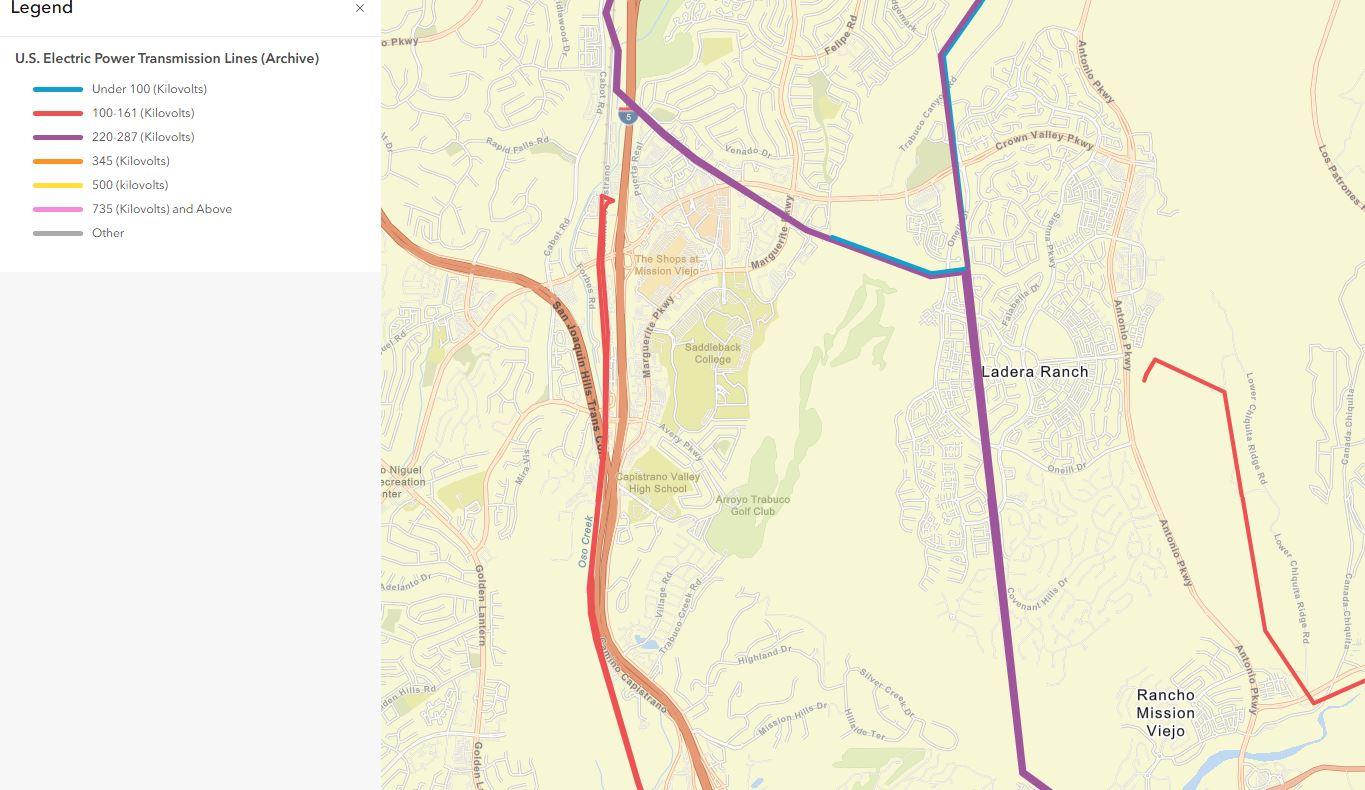
First let's look at Ladera Ranch. It's hard to make out in this photo but there are (4) 230 kV transmission lines (purple lines) running right through the community. There's also a 66 kV line (blue line) towards the top of the community.
Now let's look at Rancho Santa Margarita.
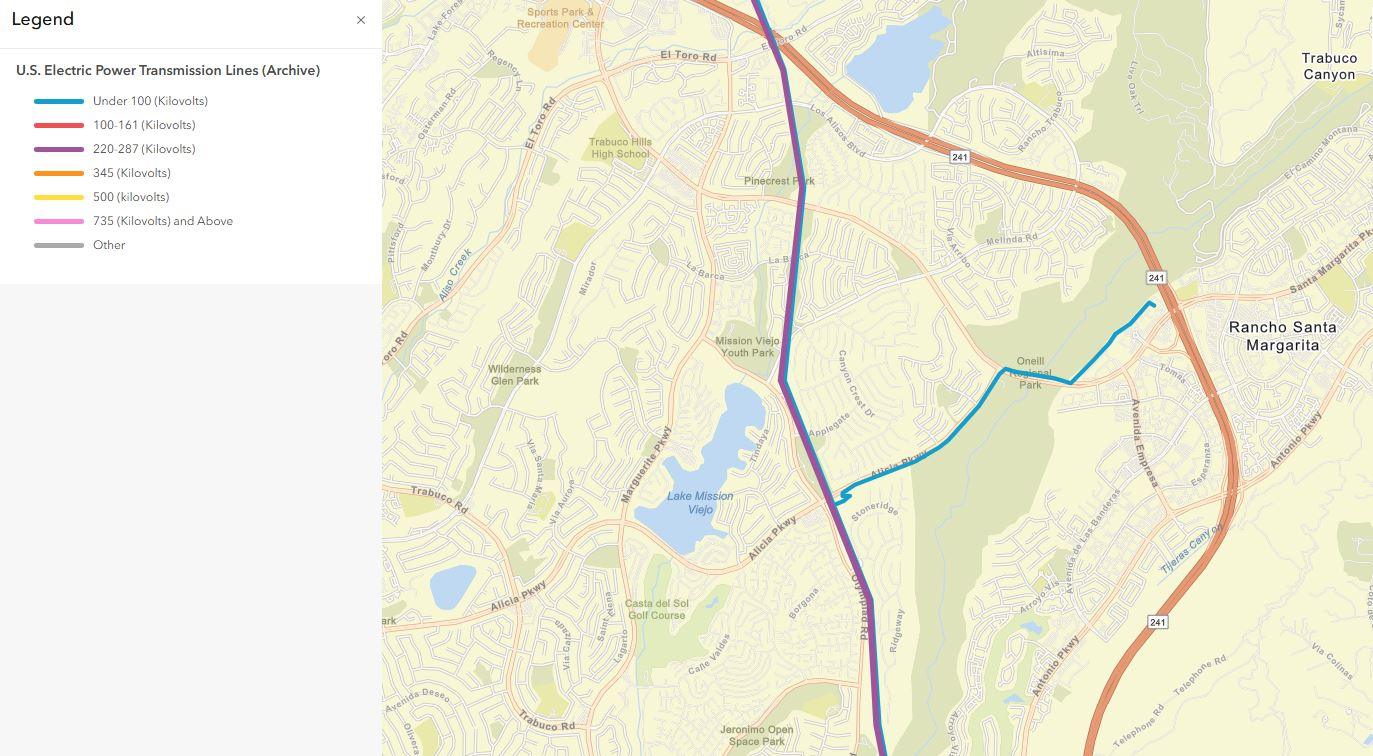
If you notice the heat spot on the Ladera Health map it's very close to the 66 kHz line (blue line) that runs just outside the community. It's the same 66 kHz line that runs in Ladera Ranch as well.
Another item which has stood out to me is that there were 4 cases of Ewing Sarcoma diagnosed in Ladera Ranch in 2013. Seems like an anomaly. What could potentially be happening?
- Ladera Ranch was built out in 2000. It's probably an attractive community for couples looking to start a family.
- These couples moved there, started families and their children grew up here exposed to these transmission lines 24/7/365.
- After several years of exposure cancer develops as kids go through their growth phase 13 years later. During the growth spurt there is heightened cell, tissue, and bone activity, but now these cells have DNA damage due to the exposure over the years.
- As one family moves out of the area a new family with young children moves in and the cycle begins again.
Again this is all speculation but could be the general trend as to what is happening in this area. If you're more interested in what is happening in Ladera Ranch you can search 'Ladera Ranch cancer cluster' in your favorite search engine. There's too many resources to post here.